Elevate Your Space: Infusing Spiritual Serenity with Mandala Designs
In today's fast-paced world, creating a sanctuary within your home has become more important than ever. The spaces we inhabit directly influence our mental well-being, emotional stability, and spiritual growth. One of the most effective ways to transform your environment into a haven of peace and tranquility is through the incorporation of mandala designs. At BaileyPearson, we understand the profound impact that thoughtfully curated décor can have on your daily life. This comprehensive guide will explore how mandala designs can elevate your space and infuse it with spiritual serenity.
Understanding Mandalas: Ancient Wisdom Meets Modern Design
Mandalas have captivated human consciousness for thousands of years, originating from Sanskrit, where the word literally means "circle" or "completion." These intricate geometric patterns represent wholeness, unity, and the infinite nature of the universe. Far more than mere decorative elements, mandalas serve as powerful spiritual tools that have been used in meditation, healing practices, and religious ceremonies across various cultures, including Hindu, Buddhist, and Islamic traditions.
The Historical Significance of Mandala Art
The history of mandalas stretches back to ancient times, with evidence of their use appearing in Hindu temples and Buddhist monasteries throughout Asia. In Hinduism, mandalas represent the cosmos and the divine, often used as focal points for meditation and spiritual practice. Buddhist mandalas, particularly those created by Tibetan monks, are renowned for their extraordinary complexity and spiritual significance. These sand mandalas, painstakingly created over weeks or months, are then ceremonially destroyed to symbolize the impermanence of all things.
The Islamic tradition also embraced geometric patterns similar to mandalas, incorporating them into architectural designs, tilework, and manuscript illumination. These patterns reflect the Islamic principle of tawhid, the oneness of God, expressed through mathematical precision and infinite repetition. The universal appeal of mandala designs across these diverse cultures speaks to their fundamental connection with human spirituality and our innate desire for harmony and balance.
The Psychology Behind Mandala Designs
Modern psychology has begun to recognize the therapeutic benefits of mandalas. The symmetrical, circular nature of these designs naturally draws the eye toward the center, creating a sense of focus and calm. When we gaze upon a mandala, our brains respond by entering a more meditative state, reducing stress and anxiety. The repetitive patterns engage our minds in a gentle, rhythmic way that promotes relaxation without requiring active thought.
Research has shown that coloring mandalas can be particularly therapeutic, offering benefits similar to meditation. The act of filling in intricate patterns with color requires concentration without being mentally taxing, allowing the mind to settle into a peaceful state. This is why mandala coloring books have become increasingly popular as tools for stress relief and mindfulness practice.
The Spiritual Benefits of Incorporating Mandalas into Your Home
When you bring mandala designs into your living space, you're not simply adding decorative elements; you're inviting spiritual energy and intentionality into your environment. Each mandala carries its own unique vibration and meaning, and selecting the right designs for your space can significantly enhance your spiritual practice and overall well-being.
Creating a Sacred Space for Meditation
One of the most powerful ways to use mandalas in your home is to create a dedicated meditation space. By placing a mandala artwork or tapestry at eye level in your meditation corner, you create a focal point that naturally guides your attention inward. The geometric precision of mandalas helps anchor your mind, making it easier to achieve deeper states of meditation. Whether you're a beginner or an experienced practitioner, having a mandala to focus on can enhance the quality and depth of your meditation practice.
Balancing Energy and Chakras
In spiritual traditions, mandalas are often associated with chakra systems and energy flow. Different mandala designs correspond to different chakras, each with its own color, frequency, and spiritual significance. By strategically placing mandalas throughout your home, you can work with these energetic centers to promote balance and healing. For example, a red mandala in your bedroom might enhance grounding and security, while a blue mandala in your workspace could promote clear communication and mental clarity.
Promoting Harmony and Unity
The circular, symmetrical nature of mandalas embodies the principle of unity and wholeness. In a world that often feels fragmented and chaotic, mandalas serve as visual reminders of the interconnectedness of all things. By surrounding yourself with these harmonious designs, you cultivate an environment that supports peace, balance, and a sense of belonging to something greater than yourself.
Choosing the Right Mandala Designs for Your Space
Selecting mandala designs for your home is a deeply personal process that should reflect your spiritual intentions and aesthetic preferences. At BaileyPearson, we offer a diverse collection of mandala designs, each with its own unique character and energy.
Understanding Color Symbolism in Mandalas
Color plays a crucial role in mandala design and spiritual significance. Each color carries its own vibration and meaning. Red mandalas are associated with passion, energy, and grounding; orange with creativity and enthusiasm; yellow with joy and mental clarity; green with healing and growth; blue with peace and communication; purple with spirituality and intuition; and white or silver with purity and divine connection. When choosing mandala designs for your space, consider which colors resonate with your current spiritual needs and intentions.
Selecting Mandalas Based on Your Intentions
Different mandala patterns carry different meanings and energies. Some mandalas are designed to promote healing, others to enhance creativity, and still others to deepen spiritual connection. Take time to explore various designs and notice which ones draw your attention. Often, the mandalas we're most attracted to are the ones we need most in our lives at that particular moment. Trust your intuition when selecting designs for your space.
Size and Placement Considerations
The size and placement of your mandala artwork significantly impact its effectiveness in your space. A large mandala tapestry can serve as a powerful focal point in a living room or bedroom, while smaller mandala prints can be grouped together to create a gallery wall. Consider the proportions of your room and the existing décor when determining the appropriate size. Placement should be intentional; position your mandalas where they'll be visible during moments when you need spiritual support and grounding.
Mandala Décor Options: Finding Your Perfect Match
BaileyPearson offers a wide variety of mandala products to suit different preferences, budgets, and spaces. Understanding the various options available can help you create a cohesive, spiritually aligned environment.
Mandala Tapestries and Wall Hangings
Mandala tapestries are among the most popular ways to incorporate these designs into your home. These fabric pieces can instantly transform a room, adding color, texture, and spiritual energy. Tapestries can be hung on walls, draped over furniture, or even used as meditation cloths. The versatility of tapestries makes them an excellent choice for those who like to rearrange their spaces or who want the flexibility to change their décor seasonally.
Mandala Canvas Prints and Framed Artwork
For a more permanent, gallery-like aesthetic, mandala canvas prints and framed artwork offer a sophisticated option. These pieces work particularly well in bedrooms, meditation rooms, or living spaces where you want to create a focal point. Canvas prints have a modern feel while maintaining the spiritual essence of mandala designs, making them suitable for various interior design styles.
Mandala Throw Pillows and Cushions
Incorporating mandalas into soft furnishings is an excellent way to add spiritual elements to your space while maintaining comfort and functionality. Mandala throw pillows can be placed on couches, beds, or meditation cushions, bringing both visual interest and spiritual intention to these areas. The tactile quality of pillows adds another dimension to your interaction with mandala designs.
Mandala Bedding and Textiles
Your bedroom is a sacred space where you spend a significant portion of your time. Mandala bedding, including duvet covers, sheets, and pillowcases, can transform your bedroom into a sanctuary of peace and spiritual connection. Surrounding yourself with mandala designs as you sleep can promote restful slumber and enhance your dreams.
Mandala Home Accessories
Beyond larger pieces, BaileyPearson offers an array of mandala accessories including coasters, placemats, lamp bases, and decorative objects. These smaller items allow you to weave mandala energy throughout your entire home, creating a cohesive spiritual environment in every room.
Designing Your Spiritual Sanctuary: Room-by-Room Guide
Creating a spiritually aligned home requires thoughtful consideration of each space and how you use it. Here's a comprehensive guide to incorporating mandalas throughout your home.
The Bedroom: Your Personal Retreat
Your bedroom should be a sanctuary of peace and rest. Consider placing a large mandala tapestry or canvas print on the wall facing your bed, creating a focal point that promotes relaxation and spiritual connection as you drift to sleep. Mandala bedding can reinforce this energy, while smaller mandala prints or objects on nightstands add subtle spiritual touches. Choose mandalas in calming colors like blues, purples, and soft greens to promote restful sleep and peaceful dreams.
The Living Room: A Space for Connection
The living room is where you gather with family and friends, making it an ideal space to create an atmosphere of harmony and unity. A large mandala tapestry or canvas print can serve as a stunning focal point, sparking conversations about spirituality and meaning. Mandala throw pillows on your couch add comfort and visual interest, while a mandala-patterned rug can ground the space and define the seating area.
The Meditation Room: Your Spiritual Sanctuary
If you have a dedicated meditation space, this is the perfect place to fully embrace mandala design. Create a focal point with a large mandala artwork at eye level when seated. Surround yourself with mandalas in colors that correspond to your spiritual practice and intentions. Include comfortable cushions, perhaps with mandala designs, and consider adding mandala-patterned curtains or room dividers to create a sense of separation from the outside world.
The Home Office: Enhancing Focus and Creativity
Mandalas can be powerful tools in your workspace, promoting focus, clarity, and creative thinking. Place a mandala artwork on your desk or on the wall in front of your workspace to serve as a visual anchor during work. Choose mandalas in energizing colors like orange or yellow to promote creativity, or in blues and greens to enhance calm focus. The geometric precision of mandalas can also inspire organized, clear thinking.
The Bathroom: A Space for Cleansing and Renewal
Your bathroom is a space of cleansing and renewal, making it an excellent location for mandala designs. A mandala shower curtain can transform your daily shower into a meditative experience, while mandala bath mats add comfort and spiritual intention to your bathroom routine. Consider placing a small mandala print or object on your bathroom counter as a reminder to approach self-care with mindfulness and intention.
The Kitchen: Infusing Daily Activities with Intention
Even your kitchen can benefit from mandala energy. Mandala placemats, coasters, or wall art can transform meal preparation and dining into more mindful, intentional activities. Choose designs in warm, nourishing colors like oranges and reds to promote vitality and connection during meals.
The Art of Mandala Meditation: Deepening Your Spiritual Practice
Having mandalas in your space is just the beginning. To fully harness their spiritual power, consider incorporating mandala meditation into your daily practice.
Gazing Meditation with Mandalas
One of the most effective meditation techniques involving mandalas is gazing meditation, also known as trataka. This practice involves focusing your gaze on a mandala, allowing your eyes to rest on the center point while taking in the entire design. Begin by sitting comfortably in front of your mandala artwork, ensuring adequate lighting. Gaze softly at the center of the mandala, allowing your eyes to relax. As thoughts arise, gently return your focus to the mandala. Start with five to ten minutes and gradually increase your practice time as you become more comfortable.
Mandala Coloring as Meditation
The act of coloring mandalas is a form of moving meditation that engages both your creative and meditative faculties. As you color, focus on your breath and the present moment. Notice the colors you're drawn to and the patterns you create. This practice can be deeply therapeutic, reducing stress and anxiety while promoting mindfulness and self-expression.
Chakra-Focused Mandala Meditation
If you're working with chakra systems, you can use mandalas corresponding to specific chakras in your meditation practice. Focus on a red mandala to ground your root chakra, an orange mandala to activate your sacral chakra, a yellow mandala for your solar plexus, a green mandala for your heart, a blue mandala for your throat, an indigo mandala for your third eye, or a violet mandala for your crown chakra. Spend time meditating with each chakra mandala, visualizing the energy of that chakra becoming balanced and activated.
Combining Mandalas with Other Spiritual Practices
Mandalas work beautifully in conjunction with other spiritual and wellness practices, amplifying their benefits and creating a more holistic approach to spiritual living.
Mandalas and Crystal Healing
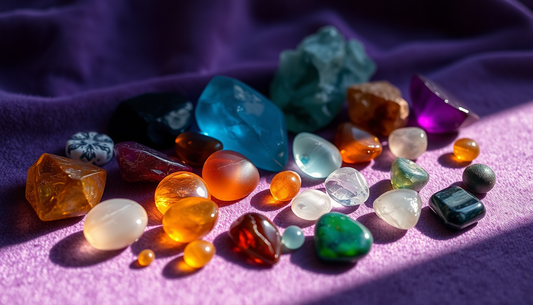
Crystals and mandalas share a common language of energy and vibration. You can place crystals on mandala artwork or create crystal grids using mandalas as the foundation. The geometric patterns of mandalas naturally complement the crystalline structures of stones, creating powerful energetic combinations. For example, place amethyst crystals on a purple mandala to enhance spiritual connection, or rose quartz on a pink mandala to promote self-love and compassion.
Mandalas and Aromatherapy
Combine the visual beauty of mandalas with the aromatic benefits of essential oils to create a multi-sensory spiritual experience. Diffuse oils that correspond to the colors and intentions of your mandalas. Use lavender or chamomile with blue or purple mandalas for relaxation, or energizing oils like lemon or orange with yellow or orange mandalas for vitality and creativity.
Mandalas and Sound Healing
The geometric precision of mandalas resonates with the vibrational nature of sound. Create a meditation space where you combine mandala gazing with sound healing practices such as singing bowls, binaural beats, or chanting. The combination of visual and auditory stimulation can deepen your meditative state and enhance the spiritual benefits of your practice.
Mandalas and Yoga Practice
Incorporate mandalas into your yoga space by placing them on the wall where you practice or using mandala yoga mats. The circular, balanced nature of mandalas complements the principles of yoga, promoting alignment, balance, and spiritual connection. Some yoga practitioners use mandalas as focal points during savasana, the final relaxation pose.
The Science Behind Mandala Healing
While mandalas have deep spiritual roots, modern science is beginning to validate their therapeutic benefits. Understanding the scientific basis for mandala healing can deepen your appreciation for these powerful designs.
Neurological Effects of Mandala Patterns
Research using brain imaging has shown that viewing mandalas activates the parasympathetic nervous system, the part of our nervous system responsible for rest and relaxation. The symmetrical, repetitive patterns of mandalas naturally calm the mind and reduce activity in the amygdala, the brain's fear center. This explains why mandalas are so effective for stress relief and anxiety reduction.
The Role of Sacred Geometry
Mandalas are based on sacred geometry, mathematical patterns found throughout nature and the universe. The Fibonacci sequence, the golden ratio, and other geometric principles appear in mandala designs, creating patterns that our brains recognize as inherently harmonious and balanced. This recognition triggers a sense of peace and rightness, as if we're aligning ourselves with the fundamental order of the universe.
Color Psychology and Mandala Design
The colors used in mandalas have measurable effects on our psychology and physiology. Different colors stimulate different brainwave patterns and emotional responses. By surrounding yourself with mandalas in colors that support your current needs, you're essentially using color therapy to promote specific mental and emotional states.
Creating a Personalized Mandala Collection
Building a mandala collection that truly reflects your spiritual journey and aesthetic preferences is an ongoing process of discovery and intention.
Assessing Your Spiritual Needs
Begin by reflecting on your current spiritual needs and intentions. Are you seeking greater peace and calm? Do you want to enhance your creativity and self-expression? Are you working on healing from past trauma? Are you deepening your meditation practice? Your answers to these questions should guide your mandala selections. Different mandalas resonate with different intentions, and choosing designs that align with your current spiritual work will maximize their effectiveness.
Building a Cohesive Aesthetic
While spiritual intention is paramount, creating a visually cohesive space is also important. Consider how different mandala designs work together aesthetically. You might choose mandalas that share a color palette, or select designs that complement your existing décor. BaileyPearson offers curated collections that work beautifully together, making it easier to create a harmonious, spiritually aligned space.
Rotating Your Mandala Collection
Just as nature cycles through seasons, your spiritual needs and aesthetic preferences evolve over time. Consider rotating your mandala collection seasonally or as your spiritual practice deepens. This keeps your space fresh and allows you to work with different mandala energies throughout the year. Spring might call for mandalas in greens and yellows